

Education Scholar Hannele Niemi Asks: What Can Be Done for Students with Disabilities Still Being Left Behind?
New research highlights the urgent need for inclusive education systems that ensure every child can learn, participate, and thrive
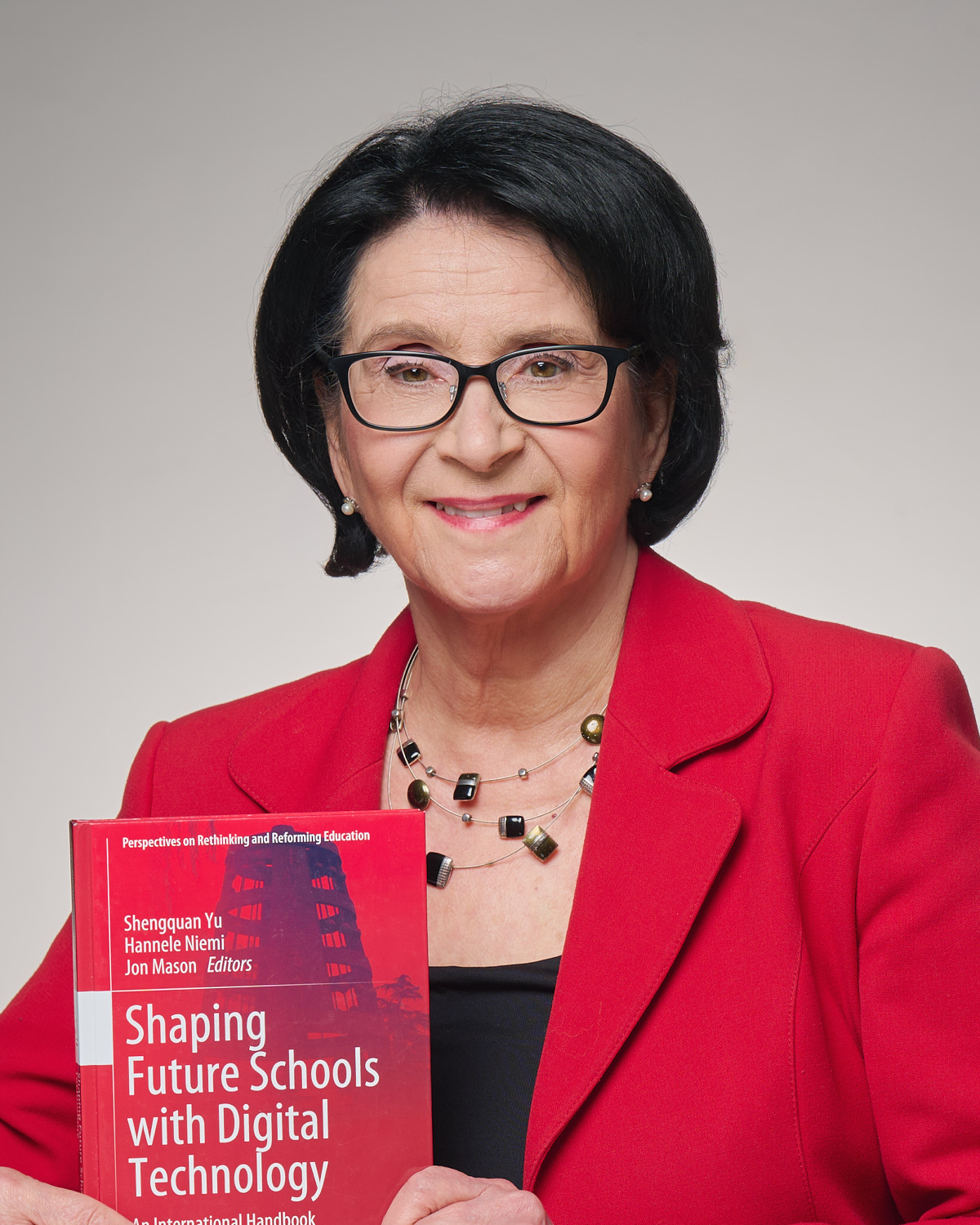
LOS ANGELES, CA, UNITED STATES, July 8, 2026 /EINPresswire.com/ -- A classroom should be a place where every child has the opportunity to learn, participate, and succeed. Yet for millions of students with disabilities around the world, that opportunity remains out of reach. Education scholar Hannele Niemi says it's time for the global community to close the gap between its promises and its actions.
"Internationally, we have made meaningful progress toward ensuring every child has access to education, but our work is far from finished," says Niemi. "Millions of children with disabilities continue to face barriers that prevent them from receiving the high-quality education they deserve. Every child, regardless of ability, should have the same opportunity to learn, grow, and reach their full potential."
Her remarks come amid findings from UNICEF Innocenti's Learning is for Everyone (LiFE) Global Report, which examines education systems across multiple countries and highlights persistent barriers faced by children with disabilities in accessing quality education. According to the report, exclusion is not inevitable but remains deeply embedded in many education systems worldwide.
"It is our shared responsibility as a global community to ensure that inclusive education becomes a reality in every country, giving all children the opportunity to learn, participate, and thrive," Niemi adds.
UNICEF’s research shows that children with disabilities are significantly less likely to attend school and more likely to face barriers such as inaccessible infrastructure, insufficient teacher training, and a lack of adapted learning materials. In some contexts, children with disabilities are several times less likely to ever enter a classroom than their peers without disabilities.
Niemi says these disparities represent not only educational inequity but also raise concerns over children’s rights.
"Inclusive education is not an optional enhancement to education systems—it is a fundamental requirement for equity," says Niemi. "We must see inclusion with a rights-based approach. Accessibility and support are legal and moral entitlements rather than charity. Every child has a right to learn regardless of race, gender, or disability."
The UNICEF Innocenti Learning is for Everyone initiative draws on evidence from several countries all over the world, identifying both systemic barriers and promising practices for reform. The research highlights the importance of teacher training, accessible learning materials, and Universal Design for Learning (UDL) approaches in building more inclusive classrooms.
The report notes that many teachers worldwide have not received formal training in inclusive education, further widening the gap between policy commitments and classroom realities.
"Inclusive education cannot be treated as an afterthought or an optional initiative," says Niemi. "It must be built into the very foundation of our education systems. When inclusion is part of every policy, every classroom, and every learning experience from the beginning, we create schools where every child has the opportunity to succeed."
According to education expert Hannele Niemi, assistive technologies and supportive learning tools can also help remove barriers, allowing students with disabilities to participate more fully in the classroom. From communication devices to adaptive software and digital learning platforms, these innovations provide personalized support that can help close the education gap.
Niemi is calling on governments, education leaders, and international institutions to prioritize disability inclusion in education funding, curriculum design, and teacher preparation.
"Every child has the right to learn in an environment where they are seen, supported, and empowered," she adds. "We cannot continue to accept systems that leave millions behind."
About UNICEF Innocenti
UNICEF Innocenti is the organization's global research office, producing evidence-based studies that support child rights, equity, and policy reform worldwide.
About Hannele Niemi
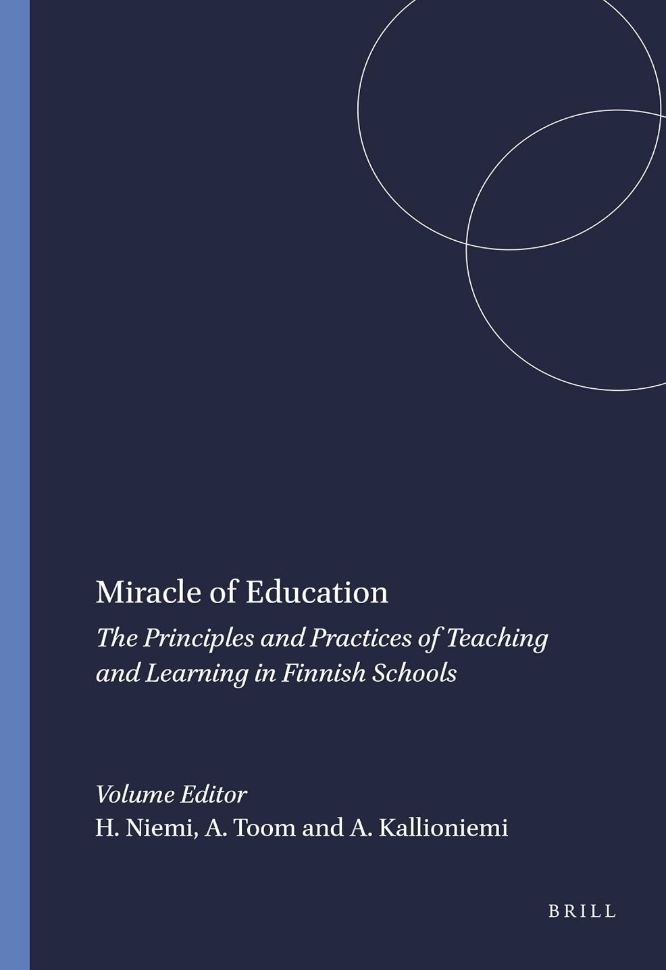
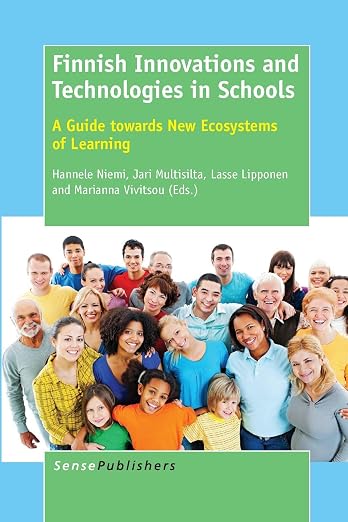
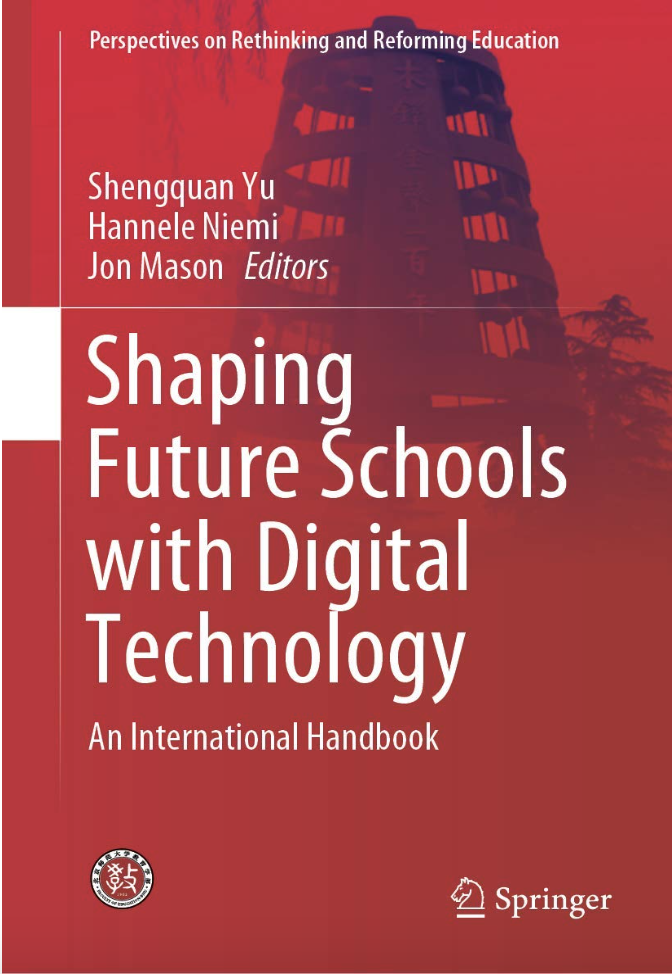
Hannele Niemi is a Professor of Education at the University of Helsinki and an internationally recognized expert in educational equity, teacher education, and education reform. She has advised the OECD and the European Union, lectured in more than 30 countries, and authored more than 400 scientific publications. Niemi is also the author of several influential books, including Miracle of Education: The Principles and Practices of Teaching and Learning in Finnish Schools (Second Revised Edition) and AI in Learning – Designing the Future (2023). Her work focuses on creating more equitable, innovative, and inclusive education systems worldwide.
Learn more at: https://researchportal.helsinki.fi/en/persons/hannele-niemi/
Hannele Niemi is available for interviews.
Amanda Kent
Boundless Media USA
+1 313-403-5636
email us here
Legal Disclaimer:
EIN Presswire provides this news content "as is" without warranty of any kind. We do not accept any responsibility or liability for the accuracy, content, images, videos, licenses, completeness, legality, or reliability of the information contained in this article. If you have any complaints or copyright issues related to this article, kindly contact the author above.
